Title
7 Key Insights on Electric Motorbikes: The Road Warriors
Description
Discover how electric motorbikes revolutionize transport and delivery in South Africa with these essential insights.
Electric motorbikes are no longer the future—they’re already transforming delivery and transport across South Africa.
But for many people, there’s still one big question:
How do electric motorbikes actually work?
If you’re considering switching to electric for delivery or business use, this simple guide will break it down—no technical jargon, just what you need to know.
The Basics: What Makes an Electric Motorbike Different?
Unlike traditional petrol bikes, electric motorbikes don’t rely on:
- Fuel
- Engines with hundreds of moving parts
- Gearboxes
Instead, they run on electric power stored in a battery.
Think of it like a smartphone—charge it, use it, recharge it.
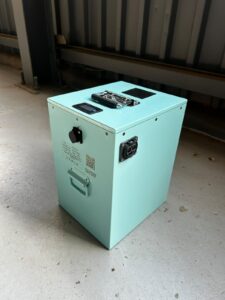
1. The Battery (The Heart of the Bike)
The battery is where all the energy is stored.
- Usually lithium-ion (the same type used in phones and laptops)
- Rechargeable
- Designed for daily use
What it does:
Stores electricity and powers the entire bike
Typical range:
- 60km – 120km per charge (depending on model and usage)
2. The Electric Motor (The Engine Replacement)
Instead of a petrol engine, electric bikes use a motor.
How it works:
- Converts electrical energy into motion
- Instantly delivers power to the wheels
This is why electric bikes feel smooth and fast off the line—no gear changes needed.
3. The Controller (The Brain)
The controller is like the bike’s computer.
It:
- Regulates power from the battery
- Controls speed and acceleration
- Ensures everything runs efficiently
When you twist the throttle, the controller decides how much power to send to the motor.
4. The Drivetrain (How Power Reaches the Wheel)
Electric bikes are much simpler than petrol bikes.
- No clutch
- No gearbox
- Fewer moving parts
Power goes directly from the motor to the wheel.
This means:
- Less maintenance
- Fewer things that can break
How Charging Works
Charging an electric motorbike is simple.
You can:
- Plug into a standard wall socket
- Charge at your business location
- Charge overnight
Charging time:
- Typically 4–6 hours for a full charge
Many businesses charge bikes during off-hours, so they’re ready to go each day.
Why Electric Bikes Are So Cost-Effective
Now that you understand how they work, the real question is:
Why are so many businesses switching?
1. No Fuel Costs
Electricity is significantly cheaper than petrol.
2. Lower Maintenance
No:
- Oil changes
- Engine repairs
- Complex servicing
3. Fewer Breakdowns
Simpler systems = more reliability
4. Consistent Performance
Electric bikes don’t lose efficiency the way petrol engines do over time.
Environmental Benefits
Electric motorbikes also offer a cleaner alternative:
- Zero emissions while riding
- Reduced noise pollution
- Lower carbon footprint
Ideal for businesses looking to modernise and become more sustainable.
Why Electric Motorbikes Are Perfect for Deliveries
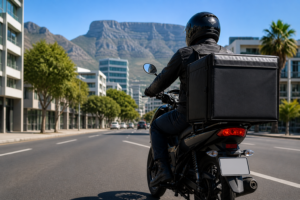
Electric bikes are especially powerful in delivery environments:
- Stop-start traffic friendly
- Lower daily running costs
- Ideal for short-to-medium routes
- Quiet and efficient in urban areas
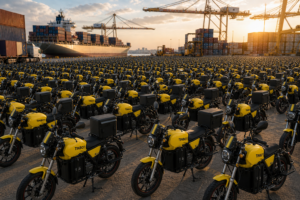
This is why they’re rapidly becoming the go-to choice for last-mile delivery.
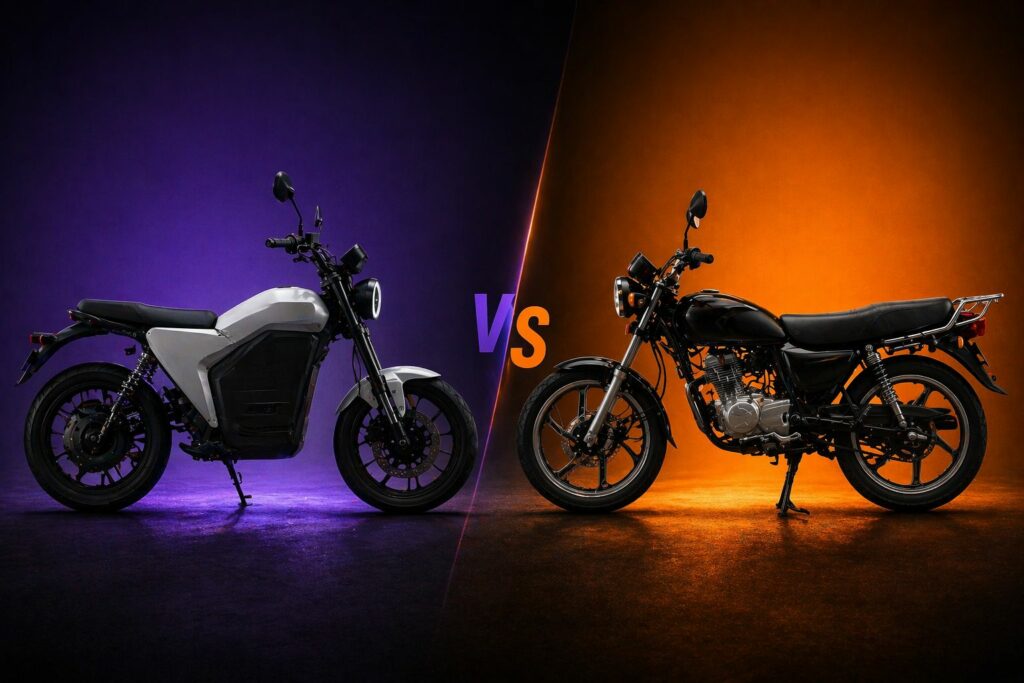
Electric vs Petrol: Quick Comparison
| Feature | Electric | Petrol |
|---|---|---|
| Fuel Cost | Very low | High |
| Maintenance | Low | High |
| Noise | Quiet | Loud |
| Complexity | Simple | Complex |
| Emissions | None (while riding) | High |
Final Thought
Electric motorbikes aren’t complicated—they’re actually simpler, smarter, and more efficient than traditional bikes.
For businesses, that simplicity translates directly into cost savings and reliability.
Thinking About Switching to Electric?
At The Road Warriors, we help businesses and riders:
- Transition to electric delivery solutions
- Reduce operating costs
- Build efficient, scalable fleets
Whether you’re starting out or scaling up, we’ll guide you every step of the way.