
Rising petrol prices in South Africa are putting increasing pressure on businesses—especially those relying on last-mile delivery. Whether you’re managing a fleet or outsourcing deliveries, fuel costs directly impact your bottom line and, ultimately, your customers.
The good news? There are practical, proven ways to reduce these costs without sacrificing service quality. In this guide, we unpack how businesses can protect margins and even create a competitive advantage despite ongoing fuel price hikes.
Why Petrol Prices Matter More Than Ever
South Africa’s fuel price is influenced by global oil markets, exchange rates, and local taxes. The result is unpredictable and often rising costs that affect:
- Delivery fees
- Product pricing
- Profit margins
- Customer retention
For delivery-driven businesses, fuel is often one of the largest operational expenses. If left unmanaged, it can quietly erode profitability.
1. Switch to Fuel-Efficient or Electric Motorbikes
One of the fastest ways to reduce delivery costs is by rethinking your fleet.
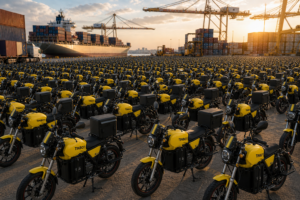
Traditional petrol-powered vehicles are expensive to run, especially in stop-start urban traffic. Electric motorbikes, on the other hand, offer:
- Significantly lower running costs
- Reduced maintenance
- No fuel dependency
- Consistent energy pricing
For example, electric delivery bikes can cost up to 70–80% less per kilometre compared to petrol equivalents.
Business impact: Lower delivery costs = more competitive pricing for your clients.
2. Optimise Delivery Routes
Fuel waste often comes from inefficient routing rather than distance alone.
Using route optimisation tools or working with a professional delivery partner ensures:
- Shortest possible routes
- Reduced idle time in traffic
- Fewer missed or repeated deliveries
Even small improvements in route planning can lead to major fuel savings over time.
3. Outsource to a Specialist Delivery Partner
Managing your own fleet comes with hidden costs:
- Fuel
- Maintenance
- Insurance
- Driver management
- Downtime
Outsourcing to a last-mile delivery specialist allows you to convert fixed costs into variable costs.
A professional partner brings:
- Scalable delivery capacity
- Fuel-efficient fleets (often electric)
- Experienced riders
- Technology-driven logistics
Result: You only pay for what you use—no wasted fuel, no idle vehicles.
4. Implement Delivery Consolidation
Instead of sending out multiple trips, consolidate orders where possible.
This strategy includes:
- Batch deliveries in the same area
- Scheduled delivery windows
- Smart order grouping
Fewer trips mean lower fuel consumption and improved operational efficiency.
5. Encourage Smarter Customer Delivery Choices
Your customers play a role in managing delivery costs too.
Encourage behaviours such as:
- Selecting standard delivery over express where possible
- Choosing specific delivery days
- Grouping orders instead of placing multiple small ones
You can even incentivise these choices with discounts or loyalty rewards.
6. Maintain Vehicles Properly
Poorly maintained vehicles consume more fuel.
Key areas to focus on:
- Tyre pressure
- Engine health
- Regular servicing
- Load management
Even a 10% drop in fuel efficiency across a fleet can significantly increase costs over time.
7. Leverage Data and Tracking
Modern delivery solutions provide insights into:
- Fuel usage
- Delivery times
- Route efficiency
- Rider performance
With the right data, you can identify inefficiencies and continuously improve operations.
Why This Matters for Your Customers
Saving on fuel isn’t just about protecting your business—it directly benefits your clients:
- Lower delivery fees
- More stable pricing
- Faster, more reliable service
- Environmentally friendly options
In a competitive market, these advantages can be the difference between retaining and losing customers.
The Future of Delivery in South Africa
Fuel prices are unlikely to stabilise in the long term. Businesses that adapt now will be better positioned for the future.
Electric mobility, smart logistics, and outsourced delivery models are no longer “nice-to-have”—they are becoming essential for cost control and growth.
How The Road Warriors Can Help
At The Road Warriors, we specialise in cost-effective, last-mile delivery solutions designed for the South African market.
Our approach includes:
- Outsourcing your deliveries to the Road Warriors can help companies save money
- Electric motorbike delivery options
- Optimised routing systems
- Scalable delivery capacity
- Reliable, professional riders
We help businesses reduce fuel-related costs while improving delivery performance—so you can stay competitive, even when petrol prices rise.
Final Thoughts
Rising petrol prices don’t have to cripple your business. With the right strategies—especially around fleet efficiency and delivery optimisation—you can reduce costs, improve service, and even gain a competitive edge.
The key is to act early and partner with the right delivery solution provider.