Petrol vs Electric Motorbikes: Key Differences and Advantages for South African Delivery Industry
As South African riders and fleet operators face rising fuel prices, stricter emissions regulations, and the demand for reliable daily transport, the choice between traditional petrol motorbikes and modern electric alternatives has never been more relevant. At Road Warriors, we’ve seen growing interest in electric options like the Akata Tinbot TS1 — a purpose-built electric motorbike designed for real-world South African conditions. This article takes an objective look at the main differences between petrol and electric motorbikes, highlighting the advantages of each based on practical insights from the Tinbot platform.
1. Power Source and Performance
Petrol motorbikes rely on internal combustion engines that burn gasoline to generate power. This delivers variable performance that can feel responsive on highways or long stretches but depends heavily on engine tuning, fuel quality, and regular servicing.
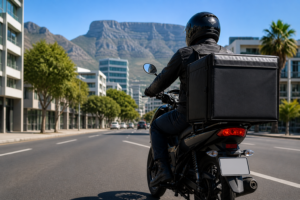
Electric motorbikes, such as the Tinbot TS1, use a battery-powered electric drivetrain. The result is consistent, instant power delivery with no gear shifts or clutch work required. Acceleration is smooth and predictable from a standstill, which is particularly useful in stop-start urban traffic or suburban delivery routes common across Johannesburg, Cape Town, and Durban.
Key difference: Petrol engines have hundreds of moving parts; electric motors have far fewer. This translates to quieter operation and more reliable torque in everyday riding.
2. Running Costs
One of the clearest advantages of electric motorbikes is cost predictability. Petrol bikes require regular fuel purchases, and with South Africa’s fluctuating fuel prices, monthly expenses can swing dramatically.
Electric models replace fuel with electricity (or swappable batteries). The Tinbot TS1 was specifically engineered to deliver significantly lower running costs than petrol equivalents. Fleet operators report stable battery expenses instead of unpredictable petrol bills, which directly improves delivery margins and overall profitability.
Advantage for electric: Dramatically reduced monthly operating costs and protection against fuel-price volatility — a major benefit for both individual road warriors and commercial fleets.
3. Maintenance and Reliability
Traditional petrol motorbikes need frequent servicing: oil changes, spark plugs, filters, chain lubrication, and valve adjustments. Over time, these add up in both time and money.
Electric motorbikes have a much simpler mechanical design. With fewer moving parts than combustion engines, the Tinbot TS1 and similar models require less routine maintenance. This means fewer workshop visits, lower parts costs, and higher uptime — critical for riders who depend on their bike daily or for businesses running tight delivery schedules.
Key advantage for electric: Reduced maintenance and higher reliability, especially on South Africa’s varied road surfaces where robust build quality really matters.
4. Environmental Impact and Sustainability
Petrol motorbikes emit exhaust gases and contribute to local air pollution. Electric motorbikes produce zero tailpipe emissions during operation.
For riders and companies focused on ESG (Environmental, Social, and Governance) goals or simply wanting a cleaner footprint, electric is clearly ahead. The Tinbot TS1 supports sustainability targets while still delivering the performance needed for last-mile logistics and adventure-style commuting.
Advantage for electric: Zero emissions and alignment with government sustainability initiatives — an increasingly important factor for both private users and corporate fleets.
5. Practical Features for South African Conditions
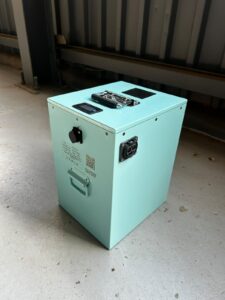
The Tinbot TS1 stands out with its swappable battery system, which minimises downtime. Instead of waiting to recharge or refuel, riders or fleet managers can simply swap in a fresh battery and keep moving — ideal for high-utilisation commercial use.
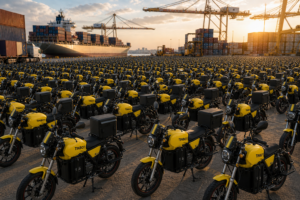
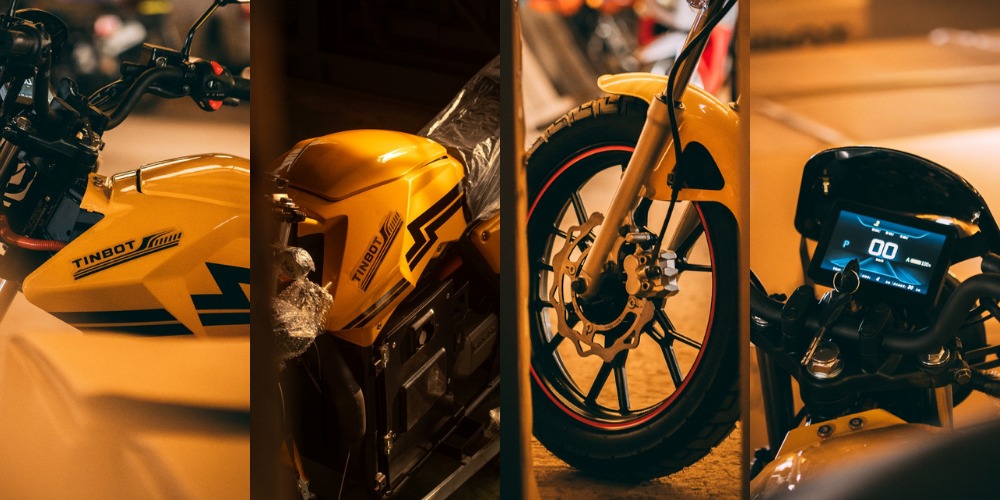
Both petrol and electric bikes can be built tough, but electric models like the Tinbot are purpose-engineered with robust construction for local roads, combined with a modern design that works well for professional fleet branding.
Difference in practice: Petrol bikes offer quick refuelling at any station; electric bikes offer swappable batteries and home or depot charging flexibility.
Which is Right for You?
Petrol motorbikes still excel in scenarios where long-distance range and widespread refuelling infrastructure are priorities. They remain a familiar choice for many traditional riders.
Electric motorbikes shine through lower costs, reduced maintenance, consistent performance, and environmental benefits. For urban and suburban road warriors, delivery operators, and businesses looking to future-proof their fleets, the advantages are compelling — especially with models like the Akata Tinbot TS1 built specifically for South African conditions.
If you’re exploring electric mobility for your bike, business fleet, or next adventure, the shift from petrol to electric isn’t just about going green — it’s about smarter, more efficient riding.
Ready to experience the difference? Visit our Tinbot range at Road Warriors or contact our team for a no-obligation consultation on electric fleet solutions. The road ahead is electric — and it’s more affordable and reliable than ever.